

Last Updated: October 25, 2026
Quick Summary
Is organic cotton better for shirts depends on your priorities. Organic cotton eliminates synthetic pesticides and produces stronger fibers that last longer, but costs more upfront. Conventional cotton offers acceptable quality at lower cost, making the choice a trade-off between environmental impact, durability, and budget.
- Organic cotton uses no synthetic pesticides while conventional cotton accounts for 16% of global insecticide use on just 2.5% of farmland
- Organic cotton shirts typically outlast conventional ones due to stronger fibers that resist pilling and fading better
- One conventional cotton shirt requires roughly 700 gallons of water to grow
- Organic cotton makes most sense for daily-wear staples, sensitive skin, or when you prioritize environmental impact
- Cost per wear matters more than sticker price; a durable organic shirt worn 100 times beats cheaper shirts worn fewer times
Table of Contents
- What Organic Cotton Is and How It Differs
- Organic Cotton vs Regular Cotton: The Real Differences
- Comfort, Softness, and Skin Health
- How to Identify Certified Organic Cotton Clothing
- Price, Value, and When Organic Cotton Makes Sense
- Choose Your Shirt Material Based on Your Priorities
- Frequently Asked Questions
What Organic Cotton Is and How It Differs
Organic cotton is cotton grown without synthetic pesticides, herbicides, or artificial fertilizers. Instead of relying on chemical inputs, organic farming uses natural methods like crop rotation, composting, and biological pest control.
When you wear a shirt made from organic cotton, you're wearing fabric grown under stricter standards than regular cotton. Conventional cotton represents about 99% of the global cotton market, yet it accounts for roughly 16% of global insecticide use despite occupying only 2.5% of cultivated land.
The distinction between organic and regular cotton starts in the soil. Organic farming builds soil health through natural fertilizers and diverse crop rotation. Conventional farming depletes soil faster and requires heavier chemical inputs year after year.
At Free Thought Supply, we focus on whether is organic cotton better for shirts by examining the practical implications of these differences.
Organic Cotton vs Regular Cotton: The Real Differences
Farming Methods and Chemical Use
The farming practices differ fundamentally. Organic cotton farmers cannot use synthetic pesticides or genetically modified organisms. They manage pests through natural predators, trap crops, and manual intervention.
This chemical difference has real consequences. Conventional cotton farming uses approximately 16% of the world's insecticides despite occupying only 2.5% of global farmland. Those chemicals persist in soil and water systems.
The soil tells the story. Organic farms build soil organic matter through composting and cover crops. Conventional farms often see soil degradation over time, requiring increased chemical inputs to maintain productivity.
One practical reality: organic cotton costs more to produce because labor-intensive natural pest management replaces cheaper chemical solutions. This cost difference carries through to finished garments.
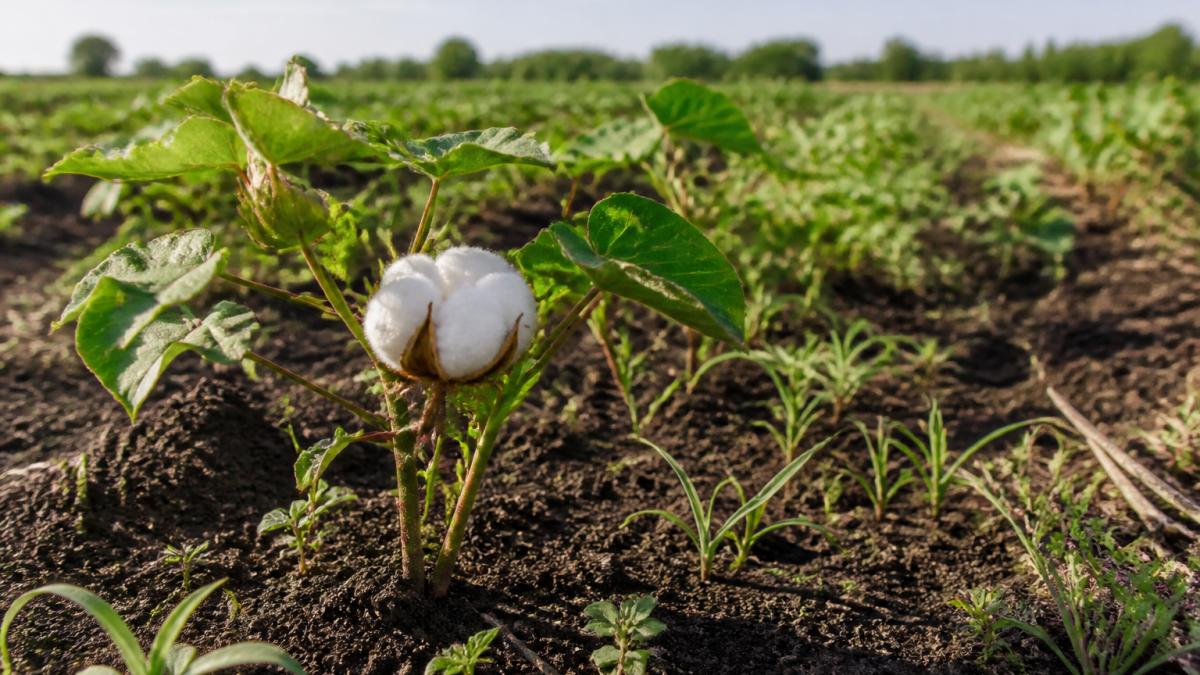
Environmental Impact and Resource Consumption
Water consumption differs significantly between the two methods. Conventional cotton is water-intensive, growing one cotton shirt requires roughly 700 gallons of water. Organic cotton farming typically uses less water per unit because healthier soil retains moisture better.
Greenhouse gas emissions from cotton farming come from machinery, fertilizer production, and soil management. Synthetic fertilizer production is energy-intensive. Organic farms avoid this emission source, though they may use more fuel for mechanical weed control.
Biodiversity around cotton fields differs markedly. Conventional cotton monocultures with heavy pesticide use create dead zones for insects and soil organisms. Organic farms maintain higher biodiversity through natural pest management and crop rotation.
Chemical residues represent a real concern with conventional cotton. Pesticide residues can remain in soil for years. Organic farming eliminates this accumulation.
You can see this reflected in a certified organic cotton shirt designed for independent thinkers, the material choice connects to values around environmental impact and resource consumption.
Durability and Longevity of Organic Cotton Shirts
Here's where the practical differences matter for your wardrobe. Organic cotton shirts often outlast conventional cotton shirts because the fiber quality tends to be better. Healthier plants produce stronger fibers. Stronger fibers mean less pilling, less fading, and less deterioration after repeated washing.
The difference isn't massive, a well-made conventional cotton shirt can last years. But organic cotton garments typically maintain their integrity longer. The fabric softens with age rather than breaking down.
Fabric weight and weave matter more than fiber type for durability. A heavyweight organic cotton shirt will outlast a lightweight one. A tight weave resists pilling better than a loose weave.
Care practices matter too. Washing in cool water, air drying, and avoiding excessive heat extend any cotton shirt's life. Organic cotton simply starts with stronger fibers, so it responds better to good care.
Organic and conventional cotton differ in farming methods, environmental impact, and how long shirts last.
| Aspect | Organic Cotton | Conventional Cotton |
|---|---|---|
| Pesticide use | None; uses natural pest control | 16% of global insecticides on 2.5% of farmland |
| Soil management | Builds soil health via composting and crop rotation | Often degrades over time, requires more chemicals |
| Water retention | Better due to healthier soil | Less efficient; one shirt requires ~700 gallons |
| Greenhouse gas emissions | Lower per pound of fiber | Higher from synthetic fertilizer production |
| Biodiversity | Higher; supports insects and soil organisms | Lower; creates dead zones with pesticides |
| Chemical residues in fabric | None | Trace residues that wash out over time |
| Fiber quality and durability | Stronger fibers; less pilling and fading | Acceptable but deteriorates faster |
| Production yield | Lower per acre | Higher per acre |
Comfort, Softness, and Skin Health
Organic cotton feels softer initially because it hasn't been treated with the chemical finishes sometimes applied to conventional cotton. This softness is real but often overstated. Both types become soft after washing as fibers relax.
The skin health claim deserves scrutiny. Organic cotton eliminates chemical residues, which matters for people with sensitive skin or chemical sensitivities. For most people without these conditions, the difference is minimal. Your skin doesn't absorb significant pesticide residues from wearing conventional cotton shirts.
Breathability is identical between organic and conventional cotton. The fiber structure is the same. What varies is the weave and weight of the fabric, not the fiber type. A loose-weave organic cotton shirt breathes the same as a loose-weave conventional shirt.
Where organic cotton genuinely helps is for people with contact dermatitis or documented chemical sensitivities. If you have sensitive skin and conventional cotton triggers reactions, switching to an eco-friendly tee made from organic cotton may help.
How to Identify Certified Organic Cotton Clothing
Look for certification labels, not marketing claims. The Global Organic Textile Standard (GOTS) represents the most rigorous certification.
Organic Content Standard (OCS) certification indicates the percentage of organic cotton in a blend. A shirt labeled OCS 100 contains 100% certified organic cotton. OCS 50 contains at least 50% organic cotton.
Be skeptical of "made with organic cotton" without a certification number. This phrase often means a small percentage of organic cotton mixed with conventional fiber. Check the label for specific percentages and certification bodies.
The certification number matters. You can verify it with the certifying organization. Legitimate organic cotton products include this information. If a shirt claims to be organic but provides no certification details, the claim is unverified.
Price can be a signal but not a guarantee. Organic cotton shirts cost more, but expensive doesn't always mean organic.
Price, Value, and When Organic Cotton Makes Sense
Organic cotton shirts usually carry a higher sticker price than conventional ones, but the size of that premium varies far more than most shoppers expect.
The more useful comparison is cost per wear, which accounts for how long a shirt actually stays in rotation. A simple framework:
- Purchase price. What you pay at checkout.
- Expected wears. How many times you realistically wear the shirt before it retires, often 50-150 wears for a daily-wear tee, fewer for a dress shirt worn occasionally.
- Care cost. Water, detergent, and electricity per wash, plus any repairs.
- Resale or recycling value. Small for most shirts, but nonzero for well-made pieces.
Cost per wear = (purchase price + care costs) ÷ expected wears. A $30 conventional shirt worn 60 times costs about $0.50 per wear before care. A $45 organic shirt worn 100 times costs about $0.45 per wear.
That is the key insight competitors tend to skip: the value case for organic cotton depends on garment lifespan, and lifespan depends more on construction and care than on the fiber's organic status.
When organic cotton makes clear sense:
- You have sensitive skin or documented chemical sensitivities. The reduced chemical-residue profile is a real, if modest, benefit that some shoppers value enough to pay for.
- You care about agricultural chemical load and are willing to pay for it. The environmental case is strongest at the farming stage, where organic systems avoid synthetic pesticide and fertilizer inputs.
- You are buying a daily-wear staple. A shirt you wear weekly for years amortizes a higher price far better than an occasional piece.
When conventional cotton is the better value:
- You need a low-cost shirt for infrequent or rough use. The environmental and skin benefits are marginal per garment, and the price gap is real.
- You cannot verify the organic claim. An uncertified "organic" label at a premium price is a poor bet; you are paying for a marketing story.
- The construction is weak. A lightweight, poorly sewn organic shirt will not outlast a well-made conventional one, so the cost-per-wear math collapses.
A practical middle path is buying fewer, better-made shirts, organic or conventional, and caring for them well.
Bottom line: compare shirts on cost per wear, not sticker price, and treat organic fiber as one input among several. The premium is easiest to justify when the shirt is well-constructed, certified, and destined for heavy rotation.
Choose Your Shirt Material Based on Your Priorities
Your choice depends on what matters most to you. If environmental impact drives your decision, organic cotton reduces chemical inputs into agriculture and supports healthier farming practices. If durability matters, organic cotton's stronger fibers extend garment lifespan.
If budget is primary, conventional cotton delivers acceptable quality at lower cost. Neither option is objectively "better", they reflect different value systems.
Consider your actual use. A shirt worn occasionally can be conventional cotton without guilt. A daily-wear staple justifies the organic investment if durability and environmental impact matter to you.
The real question isn't whether is organic cotton better for shirts universally. It's whether the specific benefits, environmental, durability, or skin-related, align with your values and needs.
Examine the specific shirt, not just the fiber type. Weave, weight, construction, and finish matter as much as whether the cotton is organic. A poorly made organic cotton shirt underperforms a well-made conventional one.
Frequently Asked Questions
What is the difference between organic cotton and regular cotton fabric?
Organic cotton is grown without synthetic pesticides, herbicides, or artificial fertilizers, while regular cotton relies on these chemicals. Organic farming also prohibits genetically modified organisms. Regular cotton production uses about 16% of the world's insecticides despite occupying only 2.5% of cultivated land. Both are cotton fiber, but the farming methods and chemical residues differ significantly, affecting environmental impact and the finished garment's chemical profile.
Do organic cotton shirts last longer than conventional cotton shirts?
Organic cotton shirts can last longer due to less chemical processing during growth and manufacture, which can preserve fiber strength. However, durability depends more on fabric weight, weave density, and garment construction than on whether the cotton is organic. A well-made conventional cotton shirt may outlast a poorly constructed organic one. Proper care, washing in cold water, avoiding high heat drying, and reducing wash frequency, extends the lifespan of either type significantly.
How can you tell whether a shirt is made from certified organic cotton?
Look for third-party certification labels on the tag or packaging, such as GOTS (Global Organic Textile Standard). These certifications verify the entire supply chain, from farming through manufacturing. Check the brand's website for documentation of their sourcing and certifications. Be cautious of vague claims like 'made with organic cotton' without a recognized certification, this may mean only a portion of the fiber is organic, not the entire garment.
Are organic cotton shirts worth the higher price?
The answer depends on your priorities. If durability, reduced chemical exposure, and environmental impact matter to you, organic cotton offers measurable benefits that justify a higher upfront cost. If you prioritize cost alone or plan to wear a shirt infrequently, conventional cotton may make more sense. Calculate cost-per-wear: an organic cotton shirt worn regularly for three years costs less per wear than a cheaper conventional shirt worn once and discarded. Quality and fit matter as much as fiber type.
The choice between organic and conventional cotton reflects your priorities more than objective superiority. Both serve their purpose. Understanding the actual differences, farming methods, environmental impact, durability, cost, lets you decide what aligns with how you think and what you value. At Free Thought Supply, we believe informed choices matter. Whether you choose organic or conventional, choose deliberately based on evidence rather than marketing claims.
